You've been writing poems for months. Maybe years. They live in notebooks, scattered across your phone, tucked into Google Docs. Some you've shared at open mics. Some have never been read out loud.
At some point, a question starts showing up: What if these became a book?
Poetry deserves to be published just as much as novels or memoirs. The process is simpler than most poets think — but it does come with a few unique considerations. This guide walks you through all of it.
|
What You'll Learn
| ✓ How many poems you actually need for a collection |
| ✓ How to format poetry properly (line breaks, spacing, titles) |
| ✓ Whether to organize by theme or chronology |
| ✓ Cover design principles that work for poetry |
| ✓ Real examples from published Indian poets |
| ✓ A complete poetry publishing checklist |
|
Why Poetry Publishing Is Different
Publishing a novel? You write chapters, maybe 60,000–90,000 words, format it with consistent paragraph breaks, and call it done. Poetry doesn't work that way.
Here's what makes poetry collections unique:
Short "chapters"
Each poem is its own entity. Your book might have 30 poems or 100, but each one needs individual formatting attention. |
Line breaks matter intensely
A line break in poetry isn't optional — it's part of the meaning. Formatting software that auto-adjusts text will ruin your work if you're not careful. |
Whitespace is content
Unlike prose, where margins are standard, poetry uses spacing deliberately. Your formatting needs to preserve that. |
Covers lean visual
Poetry covers often work best with minimal text and strong imagery — very different from fiction or non-fiction cover conventions. |
Emotional pacing
Readers don't binge poetry collections like novels. The flow between poems — how you order them — shapes the entire reading experience. |
|
The 5 Questions Every Poet Asks Before Publishing
If you've been thinking about publishing your poetry, these are probably the questions circling in your head. Let's answer them directly:
|
1. How many poems do I need for a book?
There's no universal rule, but most poetry collections fall between 30–80 poems. Some poets publish slim volumes (20–30 poems), while others create comprehensive anthologies (100+ poems like Dr. Upma A. Sharma's "Just Poetry"). The real question isn't quantity — it's whether the collection feels complete as a reading experience. If your poems share a thematic thread or emotional arc, 30 well-curated poems can be more powerful than 80 scattered ones.
|
|
2. What about copyright for poems I've already shared online or in magazines?
You own the copyright to your poems the moment you write them — even if you've posted them on Instagram, published them in literary magazines, or read them at open mics. You can absolutely include previously published poems in your collection. Just make sure you haven't signed away exclusive rights to a publisher (rare for poetry, but worth checking). If you've shared work online, consider whether you want to revise those poems before the book — published work feels more permanent.
|
|
3. Should I organize poems by theme, chronologically, or randomly?
Most published poetry collections use thematic sections. Dhriti Sharma's "Brown Blanket" organizes poems into "four movements" — each section holding its own emotional weight. Chronological ordering works if your collection documents a specific journey (a year, a relationship, a transformation). Random ordering almost never works well — readers need some kind of thread to follow. Think of your collection like a playlist: the order shapes the mood.
|
|
4. How do I format poetry so line breaks and spacing don't get ruined?
This is where most first-time poetry publishers struggle. Microsoft Word will try to "help" by auto-adjusting line breaks to fit margins — which destroys poetry formatting. The solution: work with a publisher or formatter who understands poetry-specific typesetting. They'll preserve your intentional line breaks, indentation, and spacing choices. See the most common formatting mistakes poets make →
|
|
5. Can I publish poetry in Hindi, Urdu, or other Indian languages?
Absolutely. OrangeBooks has published poetry collections in Hindi (Mamta Awadhiya's "Anubhuti", Vibha Sinha's "Bhavon Ki Sarita"), Urdu-style shayari (Ankush Kumar Banik's "Nazm"), and many other languages. You'll need proper fonts that support Devanagari, Urdu script, or other writing systems — but that's a technical detail your publisher handles, not something you need to solve yourself.
|
Poetry Formatting Essentials
Getting poetry formatting right is non-negotiable. Here's what actually matters:
Line Breaks & Stanza Spacing
Every intentional line break in your poem needs to be preserved exactly as you wrote it. Stanza breaks (the space between groups of lines) should be consistent throughout the book — typically one blank line between stanzas. If you use varying stanza spacing for effect, that needs to be documented clearly for your formatter.
Indentation
If you indent certain lines for rhythm or visual effect, those indents need to be manually set — not just tab-key indents that might shift when the document is formatted. Consistent indentation throughout the collection helps readers know when you're using it deliberately vs. accidentally.
Page Breaks Between Poems
Most poetry collections start each new poem on a fresh page — especially if poems vary in length. This gives readers a visual "breath" between pieces. Shorter poems (under 10 lines) can sometimes share a page, but that's a design choice to discuss with your publisher.
Poem Titles
Poem titles are typically centered or left-aligned above the poem, in a slightly larger or bolder font than the poem text itself. If you have untitled poems, you can use the first line as the title in the table of contents, or simply number them.
Table of Contents vs. Index
Collections with titled sections (e.g., "Part I: Beginnings") benefit from a table of contents that lists section names + page numbers. Collections without sections can list every poem title with page numbers, or skip the table of contents entirely if it's a slim volume. An index (alphabetical by first line or title) is optional and more common in anthologies or collected works.
Cover Design for Poetry Collections
Poetry covers work differently than fiction or non-fiction covers. Here's what actually works:
|
What Works for Poetry Covers:
| ✓ Minimal text: Title + author name. That's it. Save subtitles and taglines for novels. |
| ✓ Strong single image: One powerful visual beats a collage every time. |
| ✓ Whitespace: Don't be afraid of empty space on the cover — it mirrors poetry's use of the page. |
| ✓ Readable title at thumbnail size: Most people will see your cover as a small Amazon thumbnail first. |
| ✓ Mood over literal representation: Abstract, textural, or atmospheric images often work better than literal scenes. |
|
Real Examples: Published Poetry Collections from OrangeBooks
Here are five poets who've published their collections through OrangeBooks — each with a different style, audience, and approach. These aren't hypothetical examples. These are real books, available right now.
|
Example 1
Brown Blanket: An Organised Undergrowth
|
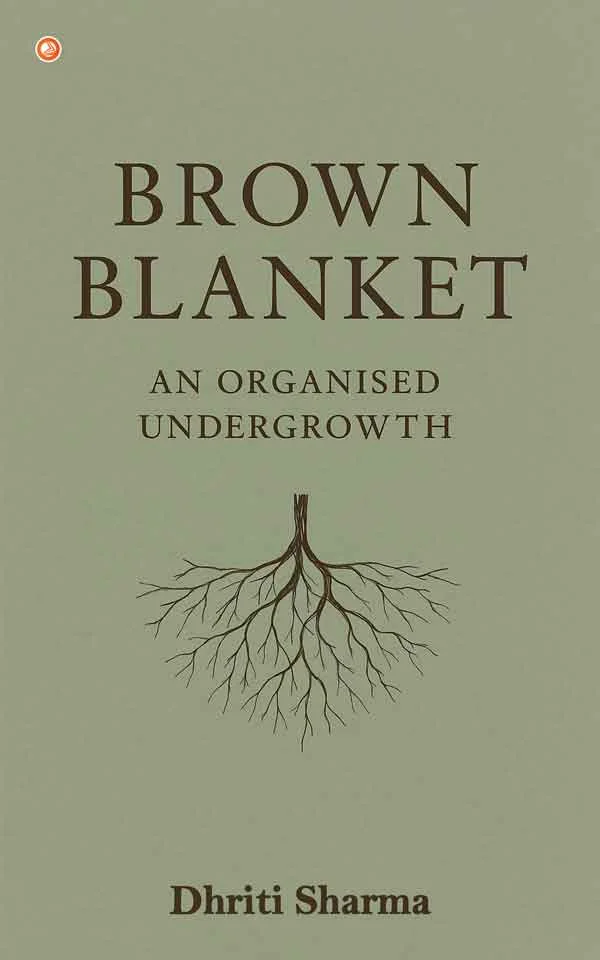 |
Author: Dhriti Sharma (age 14 at publication)
Theme: Life, loss, grief, human emotions
Structure: Organized into "four movements"
"A symphony of thoughts and prayers... Each poem has its own perspective, its own ideals as a living creature."
Why it works: Shows that age doesn't matter — voice matters. Dhriti organized her poems into thematic "movements" like a musical composition, giving readers a clear emotional journey.
|
|
|
Example 2
Bhavon Ki Sarita (भावों की सरिता)
|
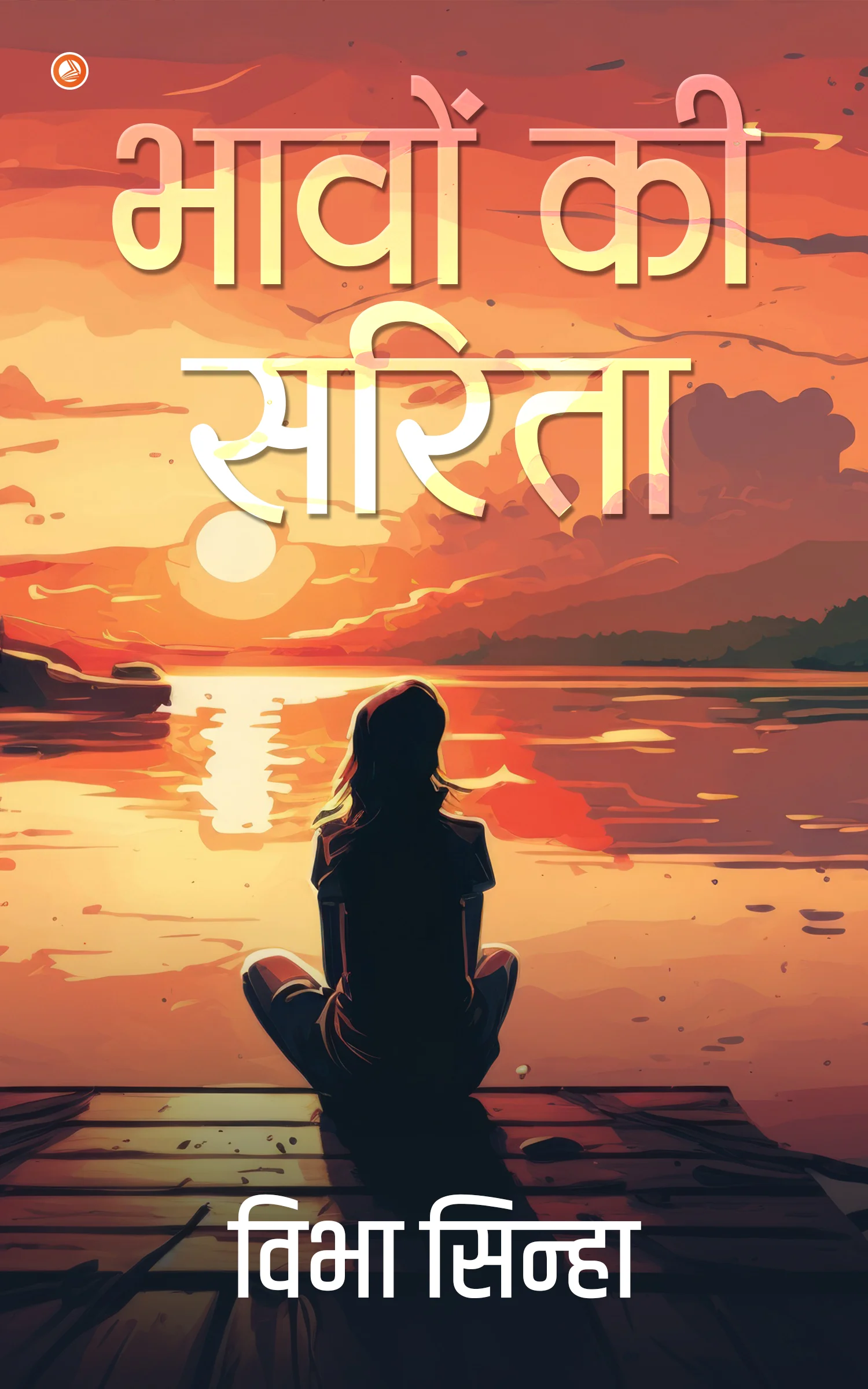 |
Author: Vibha Sinha
Language: Hindi
Theme: Emotions, life's ups and downs, faith, inspiration
Note: This is Vibha's second poetry book
"Life swings between highs and lows, hope and despair... but faith and trust in God provide strength to sail through them."
Why it works: Proves that Hindi and regional language poetry has a strong readership. Vibha's success with her first book led directly to publishing a second. Short, simple, accessible poems that touch on universal human experiences.
|
|
|
Example 3
Just Poetry
|
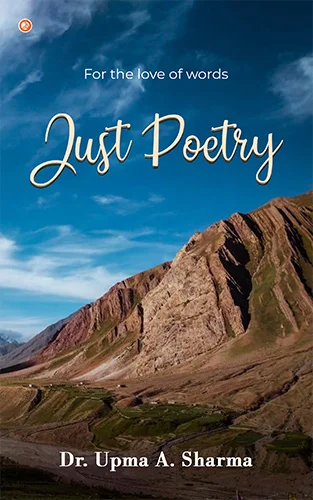 |
Author: Dr. Upma A. Sharma
Poem Count: 101 poems
Theme: Nature, family, festivals, societal issues, children's poems
"Poems based on imagery... bountiful nature, mighty ways of God, lifeline the family, soulful friends, amazing festivals, subtle sentiments."
Why it works: Shows that comprehensive anthologies work if the poems are cohesive. 101 poems is ambitious, but Dr. Sharma organized them into clear thematic groupings. Family-friendly, accessible poetry that appeals to multiple generations.
|
|
|
Example 4
The Girl You Left In My Arms
|
 |
Author: Yashika Vahi
Theme: Heartbreak, pain, depression, healing, new beginnings
Audience: Young adults, mental health awareness
"Short poems on heartbreak, pain, depression, sexual assault, self harm, love, healing and new beginnings."
Why it works: Contemporary, vulnerable poetry that addresses mental health directly. Yashika didn't shy away from difficult themes — she built a collection around them. Resonates strongly with young readers who see their own experiences reflected.
|
|
|
Example 5
Nazm: Kuch Lamhe Yaadon Ke
|
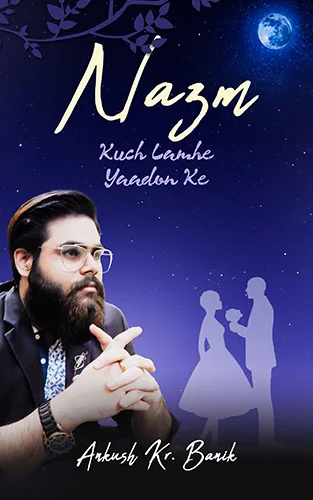 |
Author: Ankush Kumar Banik
Style: Shayari and Urdu-style poetry
Theme: Life, friendship, love — a 6-7 year journey
"A journey through cherishable moments, thoughts and emotions... every Shayari or Poetry can be related with life, for sure."
Why it works: Shayari and Urdu-style poetry have a massive readership in India. Ankush documented a personal journey — this collection chronicles 6-7 years of his life. Readers connect with that authenticity.
|
|
Explore more published poetry collections →
The Poetry Publishing Checklist
Here's a step-by-step checklist for taking your poetry collection from manuscript to published book:
|
Phase 1: Manuscript Preparation
| ☐ Select poems (30–80 for most collections) |
| ☐ Decide on organizational structure (theme, chronology, sections) |
| ☐ Order poems deliberately (emotional flow matters) |
| ☐ Title each poem (or decide which remain untitled) |
| ☐ Write an introduction or preface (optional but recommended) |
| ☐ Review all poems for final edits |
Phase 2: Technical Setup
| ☐ Choose publishing format (paperback, ebook, or both) |
| ☐ Decide on book size (5×8" is standard for poetry) |
| ☐ Register ISBN (required for commercial distribution) — See ISBN guide → |
| ☐ Understand publishing costs — Complete cost breakdown → |
Phase 3: Design & Formatting
| ☐ Work with formatter who understands poetry (line breaks, indentation) |
| ☐ Design cover (visual focus, minimal text) |
| ☐ Create table of contents (if using sections) |
| ☐ Decide on font (readable, appropriate to tone) |
| ☐ Review formatted proof carefully — check EVERY line break |
Phase 4: Distribution & Launch
| ☐ Set up distribution (Amazon, Flipkart, Google Play Books, etc.) |
| ☐ Plan launch (readings, social media, pre-orders) |
| ☐ Create author bio and book description |
| ☐ Share sample poems online to build anticipation |
| ☐ Announce publication date |
Phase 5: Post-Publication
| ☐ Host or attend poetry readings |
| ☐ Submit to poetry awards or journals |
| ☐ Engage with readers on social media |
| ☐ Send copies to poetry reviewers or bloggers |
| ☐ Start writing your next collection |
|
After Your Poetry Book Is Published
Publishing is the beginning, not the end. Here's what successful poetry authors do after their book goes live:
Poetry Readings
Host or participate in open mics, literary festivals, bookstore readings, or online poetry events. Hearing your work read aloud connects you with readers in ways online listings never will.
Social Media Presence
Share individual poems from your collection on Instagram, share short video readings on YouTube or Reels, post writing process glimpses. Poetry has a strong community online — join it.
Submit to Awards
Many poetry prizes accept self-published collections. Research awards relevant to your theme (regional language poetry, debut collections, specific subject matter).
Build Your Next Collection
Vibha Sinha published her second poetry collection after the first succeeded. Once you've proven to yourself that you can publish a collection, the second becomes easier. Keep writing.
Your Poetry Deserves to Be a Book
Poems scattered in notebooks or phones don't reach readers. A published collection does.
Whether you've written 30 poems or 100, whether it's your first collection or your fifth, whether it's in English, Hindi, Urdu, or any other language — publishing your poetry is simpler than you think.
The poets featured in this guide started exactly where you are. They had manuscripts. They had questions. They took the step.
|
Publish Your Poetry Collection
From formatting that preserves your line breaks to covers that capture your work's essence — we handle the publishing so you can focus on the poetry.
Talk to Us About Your Poetry View Publishing Packages
📞 +91-810-964-5082 | 📧 info@orangebooks.in
|
Related Guides
|
📝 Book Formatting Mistakes to Avoid
Common errors that ruin poetry formatting — and how to prevent them.
Read guide → |
|
|
💰 Self-Publishing Costs in India
Transparent pricing breakdown for publishing your poetry collection.
See costs → |
|
|
🔢 ISBN Registration Complete Guide
Everything you need to know about getting an ISBN in India.
Get your ISBN → |
|
|
📖 Author Success Stories
Read how other authors published their books with OrangeBooks.
Read their stories → |
|